

- 30-day returns
- Fast shipping
- Secure payments
- Over 300,000 products
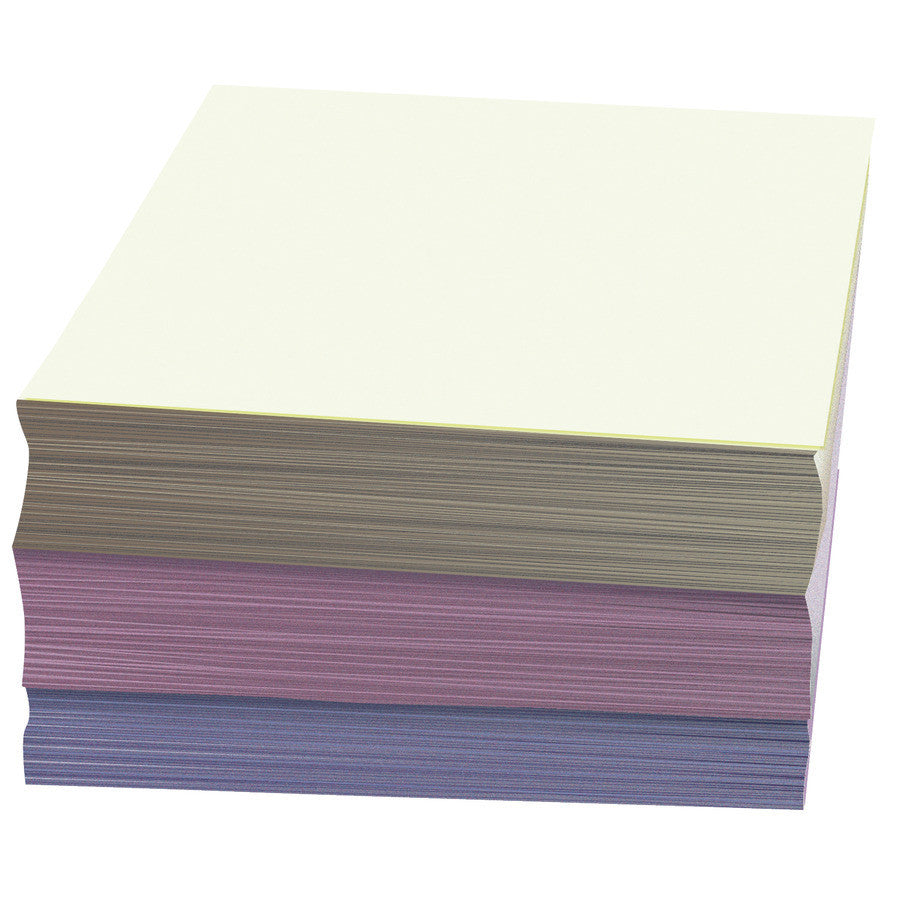
Unitek CRP0760-6 Clean-Write® 22 lb Cleanroom Paper — 11" x 17", Loose Sheets (250/ream, 5 reams/case)
CRP0760-6 is medium-weight, latex-saturated cellulose cleanroom paper for controlled-environment documentation that needs a larger format: equipment layouts, process maps, batch packet inserts, drawing markups, inspection checklists, and printouts that you do not want on office-grade paper. Unitek Clean-Write Paper is cleanroom packaged and produced to substantially reduce particle generation associated with standard papers, while remaining compatible with laser, inkjet, and toner-based printers for practical day-to-day use.
This format is especially useful when teams are standardizing paper flow inside ISO-controlled areas: it supports legible, auditable records without importing uncontrolled fibers, inks, and paper dust from general office stock.
This format is especially useful when teams are standardizing paper flow inside ISO-controlled areas: it supports legible, auditable records without importing uncontrolled fibers, inks, and paper dust from general office stock.
Published configuration (CRP0760-6)
- SKU: CRP0760-6
- Sheet size: 11" x 17"
- Paper weight class: Sub 22.5 (as published in technical data sheet)
- Construction: Cellulose base paper saturated with synthetic latex (manufactured with cellulose base paper and synthetic latex)
- Packaging (SOSCleanroom case option): 5 packs per case (250 sheets per pack)
- Packaging (manufacturer): 11" x 17" — 5 reams/case; 250 sheets/ream
- Color options on SOSCleanroom: Blue, White
- Cleanroom packaging: Cleanroom packaged (as published)
- Printer compatibility: Compatible with all laser, inkjet, and toner-based printers (as published)
- Handling/performance notes: Tear resistant and durable; smear resistant; designed to substantially reduce particle generation associated with standard papers (as published)
Low particle generation — and the reality check
This paper is produced to substantially reduce particle generation versus standard papers, supporting controlled documentation inside critical environments. Even so, no paper product is truly zero-shedding in real operations. Treat loose sheets like contamination-controlled components: control how they are introduced, how they are staged, and how they are handled at the bench.
Practical cleanroom use guidance (technicians and engineers)
- Introduce only what you need: Bring in the minimum number of sheets required for the task to reduce open-stack exposure and particle mobilization.
- Stack discipline: Keep sheets aligned and flat; avoid fanning, tapping edges on benches, or rapid flipping near open product.
- Glove control: Keep gloves dry. Wet gloves (solvent or DI) are a primary driver of smearing, transfer, and sheet-edge deformation.
- Segregate the work zone: Keep paperwork out of critical surface areas; use a designated documentation zone or clipboard/binder station when possible.
- Print control: If printing inside controlled areas, qualify the printer and consumables to prevent toner/ink particulate issues and uncontrolled residues.
Compatibility and wipe-down notes
- Solvent contact: The paper is listed as smear resistant, and typical non-volatile residue (NVR) values are published for DI water, isopropyl alcohol, and Freon TF. Wipe-down tolerance for loose sheets is not published; qualify under your site chemicals, dwell times, and handling rules before standardizing.
- DI water / aqueous exposure: Typical NVR in deionized water is published; practical wipe-down tolerance is not stated. If your process requires aqueous contact, validate for swelling, wicking, and legibility impacts.
- Handling technique: Keep solvents away from sheet edges and corners to reduce edge wicking and paper dusting from softened fibers.
Typical performance characteristics
Features- Smearing / transfer: Common when sheets are handled with wet gloves or contacted with solvent before inks are fully dry. Prevent with dry-glove discipline and controlled dry time.
- Paper dusting at edges: Driven by fanning, tapping edges, or aggressive handling. Prevent with stack discipline and minimizing sheet movement near open product.
- Residue carryover: Transfer from benches, sleeves, or contaminated gloves. Prevent by using a designated documentation zone and keeping sheets off process-contact surfaces.
- Printer-related contamination: Unqualified printers/toners can introduce particulates or residues. Prevent by qualifying printer hardware/consumables for controlled-environment use when printing inside clean areas.
- Static attraction: In low humidity, loose sheets can attract fines. Prevent by following site ESD controls and avoiding rubbing sheets against garments or plastic sleeves.
Age group18+
CategoryStationery
Country of originUSA
GenderUnisex
ManufacturerSpecialty Optical Systems / SOS Cleanroom
MpnCRP0760-6W
Sub brandUNITEK
TypeStationery